How to Find the Ideal General Contractor for Your Next Home Project
Selecting the most suitable construction professional for a residential project is a crucial determination. It necessitates thorough evaluation of various factors, including experience, credentials, and communication skills. Numerous homeowners overlook essential details, resulting in costly mistakes. Knowing how to review contractor options can make a significant difference. By focusing on essential criteria and asking the right questions, you can approach this demanding process more effectively. What steps should be taken to establish a successful contractor partnership?
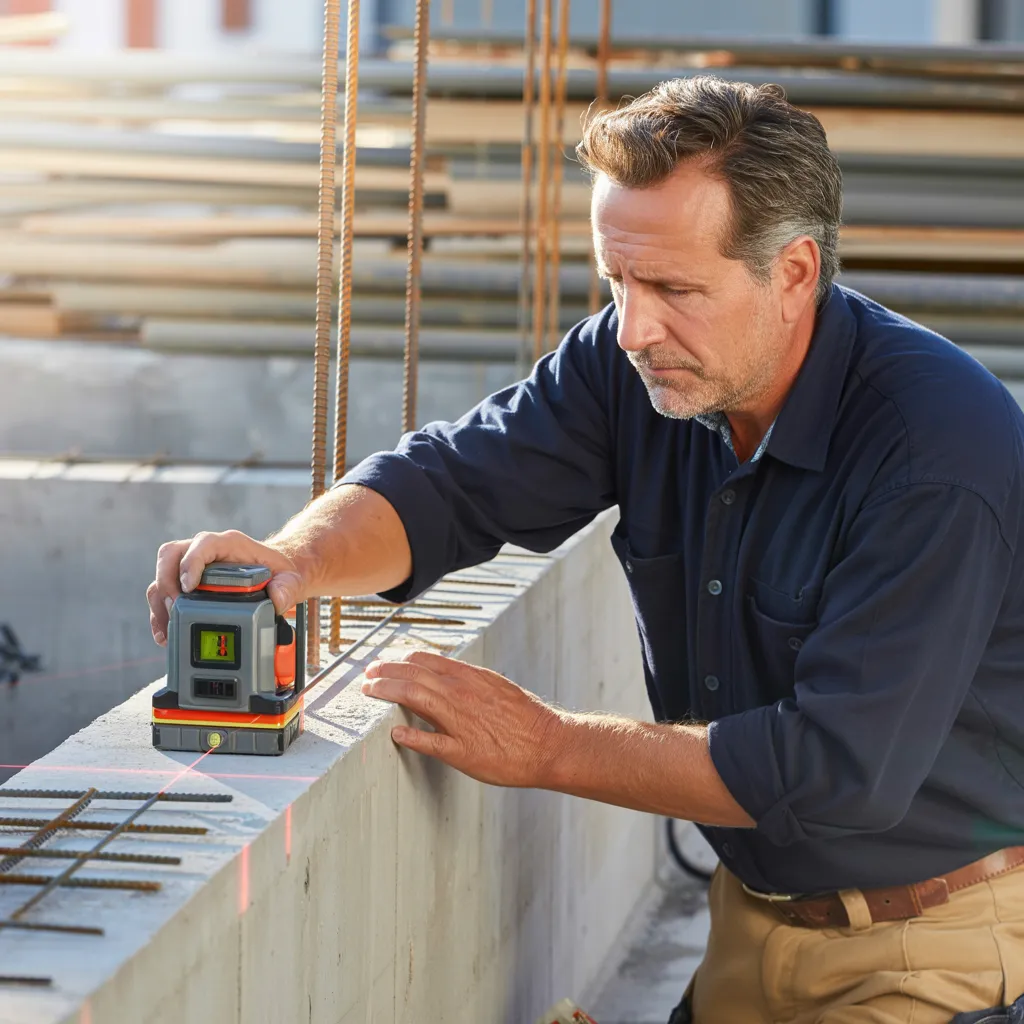
How to Avoid Common Pitfalls When Choosing a Contractor
When choosing a professional contractor, how does one navigate the myriad of choices without making common mistakes? Potential clients often overlook vital aspects that can cause unfavorable outcomes. To begin, depending entirely on cost can be misleading; the cheapest quote may suggest inferior workmanship or unexpected fees. In addition, neglecting to check references or online reviews can lead to engaging a contractor with an unsatisfactory history. One must also avoid making decisions based on charisma alone; a charming contractor may not possess the necessary skills or reliability. Beyond that, failing to establish clear communication and expectations can cause disputes and frustration. Lastly, failing to carefully examine contracts prior to signing can lead to unforeseen responsibilities or insufficient safeguards. By being vigilant and informed, property owners can make better-informed choices, which ultimately results in a successful outcome.
What to Look For in a Contractor's Experience
When reviewing a contractor's expertise, several key factors come into play. Pertinent project background, field-specific credentials, and a comprehensive portfolio of finished projects function as vital benchmarks of their competence. Evaluating these aspects can deliver important information about the contractor's appropriateness for the specific project at hand.
Pertinent Project Experience
Assessing a contractor's applicable work history is fundamental for supporting the overall success of any construction venture. Those seeking contractor services should assess the contractor's project history, directing their attention toward completed projects aligned in complexity and approach with their own. This entails reviewing the degree of skilled work, adherence to timelines, and cost control in prior work. Moreover, it is worthwhile to gather details about the varieties of materials selected and the contractor's knowledge of local building ordinances and compliance requirements. Feedback and referrals from previous customers can offer valuable information about the contractor's reliability and communication skills. In the end, a contractor with extensive professional background can handle obstacles with skill, making certain the results fulfill the homeowner's vision and benchmarks.
Professional Certifications And Licenses
Certifications and licenses act as key markers of a contractor's professionalism and expertise in the construction industry. When selecting a general contractor, it is essential to ensure that they hold the necessary licenses mandated by local and state regulations. These licenses reflect compliance with safety standards and building codes. Additionally, industry accreditations, such as those from the National Association of Home Builders or comparable associations, reflect a contractor's dedication to excellence and continued learning. Contractors with specialized certifications may also exhibit skills in particular disciplines, such as sustainable construction or renovation. Verifying that a contractor has the proper qualifications not only enhances confidence in their capabilities but also reduces possible legal and monetary liabilities during the project.
Showcase Of Finished Work
A builder's collection of past work acts as an important tool for evaluating their skills and expertise. This collection should highlight a range of projects, exhibiting versatility in different styles and complexities. When assessing a portfolio, potential clients should seek out detailed photos that effectively illustrate the workmanship involved. It is also advantageous to find work examples that correspond to the client's particular requirements or design vision. Meticulous craftsmanship, forward-thinking approaches, and punctuality in delivery are key indicators of a contractor's proficiency. Moreover, client testimonials or case studies featured within the collection can deliver valuable perspective into the contractor's commitment and dependability. In the end, a robust portfolio can assist clients reach confident conclusions about their future work.
How to Verify Your Contractor's Credentials and Licenses
Prior to hiring a general contractor, it is essential to check their credentials and licenses to validate they meet industry standards. Start by checking with local licensing boards to verify that the contractor possesses the required licenses for your region and type of project. Each state has its own requirements, so understanding these can prevent future complications.
In addition, find out about insurance coverage, including liability insurance and workers' compensation coverage, to secure safeguarding from any accidents or damages that may occur. Obtain references from prior clients and make contact to assess overall satisfaction and dependability.
Lastly review the certifications the contractor might hold, as they frequently reflect specialized expertise and commitment to industry standards. A comprehensive verification process not only ensures adherence but also instills trust in the contractor's ability to complete the project successfully.
Why Communication Is Essential in Your Contractor Relationship
Effective communication plays a pivotal role in the client-contractor dynamic, determining the trajectory of success from the start. Open conversation defines expectations, schedules, and budgets, guaranteeing that both sides remain in agreement on the project's objectives. When clients express their goals with precision, contractors are able to offer knowledgeable guidance and tailored solutions, enhancing the overall outcome.
Frequent updates and transparent lines of communication allow for the swift resolution of problems as they occur, limiting possible setbacks. Moreover, a contractor who listens and responds to client feedback builds confidence, which is fundamental to a successful partnership.
Additionally, strong communication is essential for managing shifts and unexpected obstacles, maintaining the project's momentum. This enables the contractor to refine approaches according to client feedback, fostering a positive experience from start to finish. Fundamentally, placing communication at the forefront not only deepens the contractor-client relationship but also substantially aids in bringing the home project to a successful conclusion.
Key Questions to Pose to Your Contractor at First Meetings
When first meeting with a contractor, clients ought to focus on learning about their experience and qualifications. Clients must discuss the expected timeline and overall budget to ensure it aligns with the client's goals. Such inquiries establish the groundwork for a strong explore collaboration and well-managed project execution.
Experience and Qualifications
Choosing a general contractor depends on assessing their background and credentials. Property owners should investigate the specialist's years in the industry and the range of work they have undertaken. Detailed inquiries regarding insurance, licenses, and certifications are important, as these confirm alignment with local regulations and deliver security during the job. Moreover, assessing prior projects through portfolios or references can provide perspective on the specialist's skill and dependability. It is also valuable to determine their exposure to like projects, as this can signal their capacity to address specific challenges. All things considered, assessing a specialist's experience and qualifications builds trust and helps homeowners reach well-considered decisions about their residential projects.
Project Timeline and Financial Overview
How can homeowners guarantee their project keeps moving forward in terms of budget and timeline when speaking to a general contractor? To stay aligned, they should raise important questions during early consultations. Homeowners need to find out about the estimated timeline for project completion and any potential delays that could arise. Knowing the contractor's method for handling timelines is essential. Additionally, discussing the budget upfront is crucial; homeowners should ask for specifics regarding cost estimates, payment schedules, and any included contingencies for unforeseen expenses. Inquiring about past work can shed light on the contractor's reliability in meeting deadlines and keeping costs in check. By establishing clear communication regarding schedules and budgets, homeowners can foster a productive relationship with their contractor, increasing the probability of a well-executed outcome.
Tips for Checking References and Reading Reviews
What actions should a person take to confirm a general contractor is dependable? Initially, it is important to obtain a list of references from candidate contractors. A dependable contractor will promptly offer names and contact information of former clients. A person should reach out to these references to learn about their interactions, paying attention to elements such as communication, quality of results, and punctuality with deadlines.
Moreover, checking online reviews on sites like Google, Yelp, or Angi can offer helpful information. It is important to look for patterns in the reviews—patterns of praise or criticism can reveal dependability or underlying problems.
Moreover, checking for any issues reported to local licensing boards or consumer protection agencies can highlight a contractor's history. Lastly, inquiring about up-to-date project images can help assess the level of their workmanship. By implementing these actions, individuals can reach a more educated conclusion when choosing a general contractor.
Exploring Contractor Pricing and Payment Terms
Homeowners would benefit from learning about standard payment structures. Most contractors require a deposit upfront, followed by progress payments tied to project milestones. Clarifying these terms prior to signing a contract is crucial to prevent any misunderstandings. Homeowners should also ask about any possible extra expenses, including permits or unforeseen repairs. Open dialogue about pricing and payment terms fosters a transparent working relationship, which ultimately contributes to a successful project. Being aware of these factors enables homeowners to make well-informed choices when choosing a general contractor.
Common Questions and Answers
What Is the Expected Duration for Project Completion?
The timeline for a project generally differs according to the level of complexity and scale involved. Typically, the timeframe ranges from a few weeks to several months. Variables including weather patterns, material supply, and workforce availability may considerably affect the projected completion date.
What Takes Place When Unanticipated Issues Surface During Construction
When unforeseen challenges emerge during construction, the contractor typically assesses the situation discusses the matter with the homeowner, and offers potential solutions. Adjustments to the timeline and budget may be necessary, guaranteeing openness at every stage of the work.
Will My Project Need Permits and Inspections?
Most projects require official permits and inspections to guarantee compliance with regional building codes. You should consult with a professional general contractor who has knowledge of these requirements, as they can navigate the permitting process effectively.
How Are Subcontractors and Their Payments Handled?
A reputable contracting professional handles subcontractor teams by creating clear contracts specifying financial terms. They ensure punctual financial transactions, sustain open communication, and assess subcontractor work quality, encouraging a team-oriented atmosphere that contributes to project productivity and achievement.
What Is Your Policy on Project Changes or Upgrades?
The contractor maintains a versatile methodology to project modifications, mandating written confirmation for any enhancements. They ensure transparent communication, assess cost implications, and revise timelines appropriately to support the client's changing requirements and preferences.